
Buying a Second Home: What You Need to Know Before You Buy
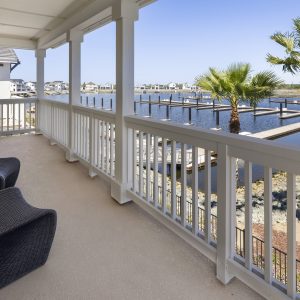
Whether you’re dreaming of weekends by the water, a mountain retreat, or a future retirement home, buying a second home can be both a lifestyle upgrade and a long-term investment. Today’s buyers are increasingly looking for homes that offer flexibility and a place to relax now while potentially building equity for the future.
If you’re considering purchasing a second home, understanding the financial considerations, ownership costs, and how you’ll use the property will help you make a confident decision.
Why Do People Buy a Second Home?
People purchase second homes for many different reasons. For some, it’s a vacation getaway where they can spend weekends, holidays, and summer escapes. Others are planning ahead by purchasing the home they intend to retire in one day.
A second home can also provide the opportunity to live closer to family, enjoy a seasonal residence in a favorite destination, or invest in a property that may appreciate over time.
In some cases, owners may also generate rental income when they’re not using the home themselves, where local regulations allow. Beyond the financial benefits, many buyers simply appreciate having a familiar place to relax without the hassle of booking hotels or vacation rentals every time they want to get away.
Is Buying a Second Home Different Than Buying Your First?
Yes. While the process is similar, lenders generally have stricter requirements for second-home financing.
You can typically expect:
- Higher down payment requirements
- Slightly higher interest rates
- Stronger credit score expectations
- Additional cash reserves
- Review of your existing mortgage and debt-to-income ratio
Lenders want to ensure you can comfortably afford both homes while maintaining a healthy financial position. Speaking with a preferred lender early in the process can help you understand your financing options, determine what you qualify for, and prepare for a successful purchase.
What Does It Cost to Own a Second Home?
While the purchase price is an important consideration, it’s equally important to understand the ongoing costs of owning a second home.
In addition to your mortgage payment, you will want to budget for property taxes, homeowners insurance, utilities, routine maintenance, repairs, landscaping, HOA dues (if applicable), and even property management if you will be away for extended periods.
Because second homes are often unoccupied for parts of the year, insurance premiums may also be higher than those for a primary residence. Planning for these expenses upfront will help ensure your second home remains enjoyable.
Choosing the Right Location
The location of your new home is one of the most important decisions you’ll make.
Ask yourself:
- How often will you use the home?
- Is it easy to travel to?
- What activities are nearby?
- Could it become your retirement home someday?
- Does the area have long-term growth potential?
- Can I comfortably afford all ownership costs?
- Is this location somewhere I’ll enjoy for years to come?
- Would a new construction home reduce future maintenance?
Many buyers choose destinations that offer year-round recreation and easy access to the activities they love. In Northern California, that could mean boating on the Delta, exploring the wineries of Napa Valley, hiking or golfing in the Sierra foothills, enjoying the vibrant historic atmosphere of Old Sacramento, or spending weekends in the Lake Tahoe region. Others prioritize being closer to family or finding a location that could eventually become their full-time residence. Choosing a place you’ll genuinely enjoy visiting throughout the year not only enhances your lifestyle today but can also provide lasting value for years to come.
New Construction Makes Second Home Ownership Easier
For many buyers, a newly built home offers significant advantages over purchasing an older resale property.
With a new home, everything is new, from the roof and HVAC system to appliances, plumbing, windows, and finishes. That means fewer unexpected repairs, greater energy efficiency, and less maintenance.
Many new home communities also include features that make owning a second home especially convenient, such as:
- Energy-efficient construction
- Modern smart home technology
- Builder warranties
- Low-maintenance landscaping
- Professionally designed interiors
- Move-in ready opportunities
- Community Clubhouses and Activity Centers
For owners who spend only part of the year at their second home, these benefits can provide valuable peace of mind.
Are There Tax Benefits?
Depending on how you use the property, you may qualify for certain tax deductions, including mortgage interest and property taxes. However, rental income, capital gains, and other tax considerations can affect your overall financial picture.
Because every situation is different, it’s wise to consult a qualified tax professional before purchasing a second home.
The Bottom Line
Buying a second home is about more than owning another piece of real estate. It’s about creating a place where memories are made, weekends become easier, and future plans begin to take shape.
Whether you’re searching for a waterfront retreat, a peaceful countryside escape, or a low-maintenance community close to outdoor recreation, taking the time to understand financing, ownership costs, and long-term goals will help you make a smart investment.
If you’re exploring second-home opportunities, consider the advantages of a newly built home. Modern construction, energy efficiency, builder warranties, and today’s thoughtfully designed floorplans can provide the comfort, convenience, and peace of mind that make every visit feel like coming home.